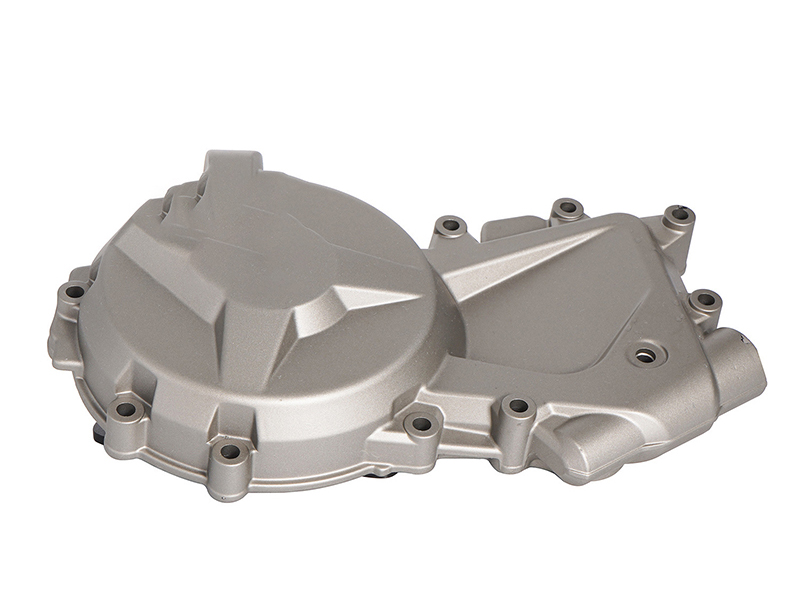
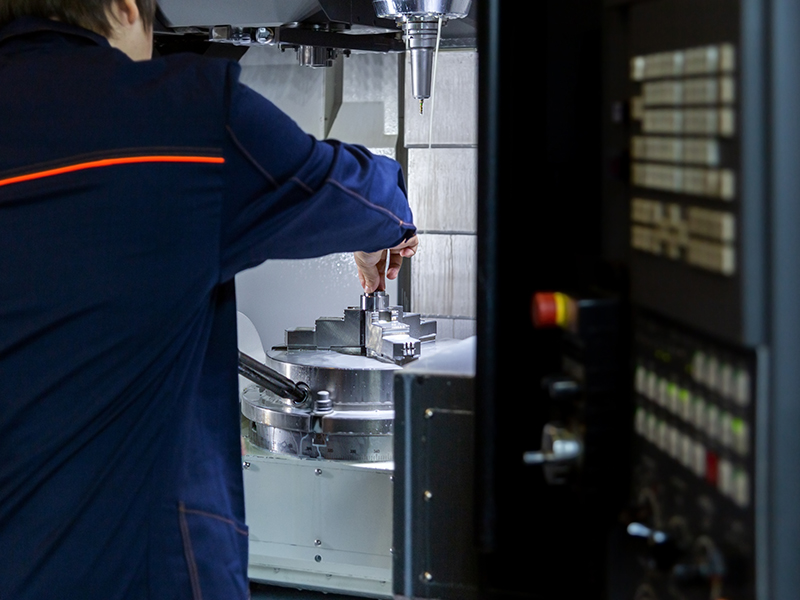
Magnesium alloy die casting is an important processing technology, which is widely used in the field of vehicles, electronics and aerospace engineering due to its excellent properties, such as high toughness, high density and good corrosion resistance. Electrophoretic principle surface treatment is one of the most important treatment technologies before painting, which can make the goods have excellent corrosion resistance and aesthetic appearance.
Electrophoretic principle surface treatment is a pretreatment technology that utilizes electrochemical corrosion to uniformly deposit paint on the surface of the substrate. In the electrophoretic paint pool, the paint becomes negatively charged particles and the substrate becomes positively charged grades. Under the influence of the electric field, the paint particles move toward the surface of the substrate and the uniform coating accumulates on the surface of the substrate.
Die-cast aluminum has high chemical vigor, which is difficult to deposit by the electrophoresis principle. In order for electrophoretic coatings to adhere to die-cast aluminum surfaces, surface treatment is necessary to improve surface lubricity and adhesion. The treatment problem centers on increasing the surface kinetic energy of the substrate, reducing surface roughness and improving adhesion. There are a number of ways to do this, such as anodizing, sandblasting, sand brushing and mechanical equipment grinding. Electrophoretic coatings can only be symmetrically deposited on die-cast aluminum surfaces to form a stable coating after proper surface preparation.
The structure, surface roughness and near-surface mechanism of the substrate surface will change after the metal surface treatment. Rough surface raw material will improve the electrophoretic treatment of die-cast aluminum, and the grinding method will affect the quality of the electrophoretic coating. In addition, the type of coating, concentration value, working voltage, time and thickness of the electrophoretic principle must be specified in order to obtain better performance of the electrophoretic principle and uniform coating prevalence.
Surface treatment is to solve the problem of unstable surface of die-cast aluminum with electrophoretic coating to produce a symmetrical and reliable surface coating. Surface treatment is beneficial to improve the adhesion and uniformity of die-cast aluminum electrophoretic coatings, as well as to improve the corrosion resistance and appearance checking ability of the coatings. According to the selection of suitable surface treatment methods and improvement of the main parameters of electrophoretic coating, effective surface treatment of die-cast aluminum can be realized for the production and manufacture of die-cast aluminum products in various industries.