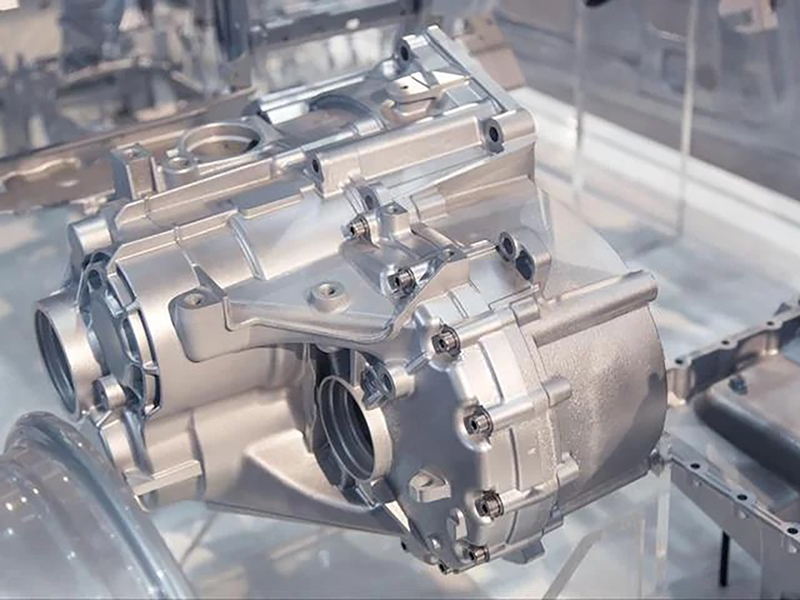
Die casting is a manufacturing process in which molten metal is poured or forced into steel molds. The molds—also known as tools or dies—are created using steel and are specially designed for each project. This allows each component to be created with accuracy and repeatability. Aluminum, zinc, and magnesium are the most commonly used die casting alloys.
Die Casting Advantages
Die casting can have significant advantages over other manufacturing processes, which often lead to major cost savings, not only in the part price itself but also in the overall cost of production. When you cast a part, you can create complex net shapes, including external threads and complex internal features with minimal draft angles—minimizing secondary operations. You can also combine multiple parts into a single part, eliminating assembly operations and lowering labor costs, with the added benefits of simplified stock control and greater component consistency.
Other benefits include:
Variable wall thicknesses
Tighter tolerances
Fewer steps from raw material to finished part
Fast production cycle times
Reduction in material scrap
Long tool life, especially for zinc and magnesium
Die Casting Alloys
Zinc, aluminum, and magnesium are the three main die casting alloys. They are normally non-ferrous and their mechanical properties vary greatly to fit almost every type of application a manufacturer may need. Not only can die cast alloys withstand high operating temperatures, but they are also fully recyclable. Die cast alloys also have:
Die casting zinc, die casting aluminum, die casting magnesium
Good corrosion resistance
High strength and hardness
High thermal conductivity
High electrical conductivity
Outstanding EMI/RFI shielding properties
Good finishing characteristics
Separately, each die cast alloy offers a variety of benefits that the other may not offer. That is one of the great things about die casting, you do not have to be limited when it comes to choosing the right metal.
上一篇:没有了!
下一篇:没有了!